Define your buyer, not your product
Most CNC side hustles stall because they start with what the machine can do instead of who will actually buy what the machine can do. Ever see those airbrushed vans featuring a wizard on the hood, a bolt of lightning hitting his crystal ball, and he casts a spell? Awesome, right? The answer is yes, but imagine trying to sell that car. Very few people want those airbrushed pieces of art.
A better approach is to reverse that flow of thought. Choose one reachable customer type and build a simple offer around a single pain point. Maybe a boutique sign shop needs repeatable 3D-carved dimensional letters it can’t cut fast enough in-house, or an events company needs short-run branded giveaways before a trade show. Perhaps a cabinetmaker needs nested cabinet parts cut from melamine without babysitting a panel saw all weekend. Each of those buyers values speed, consistency, and predictable costs more than perfect artistry.
Your router delivers exactly that if your offer is focused. Pick one lane to start, commit to it for a full sales cycle, and make your messaging absurdly clear. When your website, social captions, and quote emails all say the same thing, buyers stop guessing and start ordering.
Turn features into outcomes.
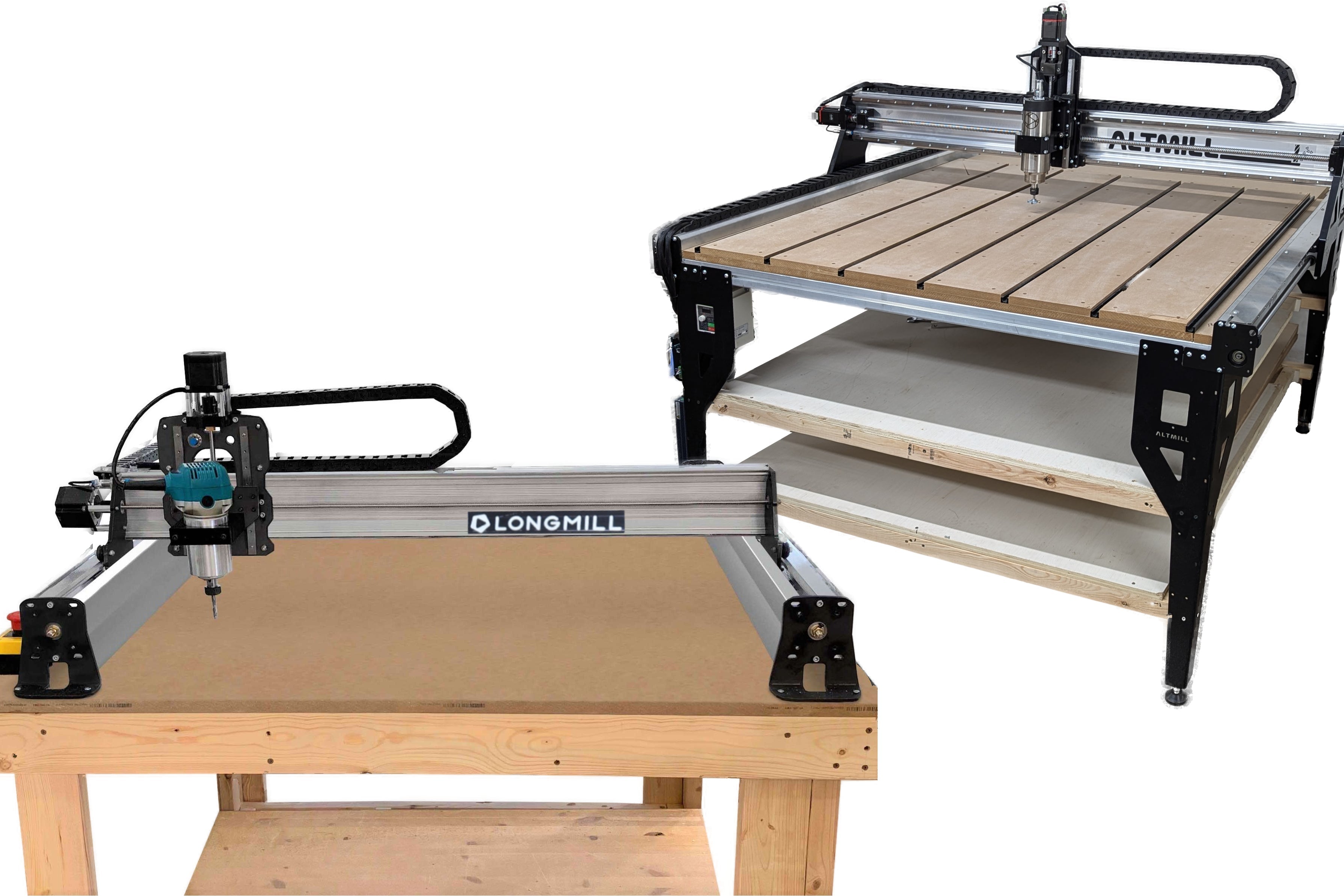
A CNC router is a bundle of features: spindle horsepower, stepper torque, bed size, vacuum hold-down, and a tool library you’ve painstakingly dialed in. Buyers don’t care about any of that, and chances are it's all gobbledygook to them. So translate those features into outcomes they can bank on.
If you run a 4’×8’ table with reliable workholding, the outcome is “full-sheet production with fewer seams and faster turnaround.” If you’ve dialed feeds and speeds on Baltic birch, HDPE and cast acrylic, the outcome is “clean edges straight off the bed with minimal hand finishing.” If you know your machine’s tolerances in plywood, MDF, and aluminum, the outcome is “parts that fit the first time.”
Write those outcomes into your quotes and product pages. Replace jargon with plain language like “ship-ready edges,” “repeatable parts,” “tight pockets,” and “guaranteed fit.” The more you speak in outcomes, the less you need to negotiate.
Build a Minimum Viable Offer you can ship this week.
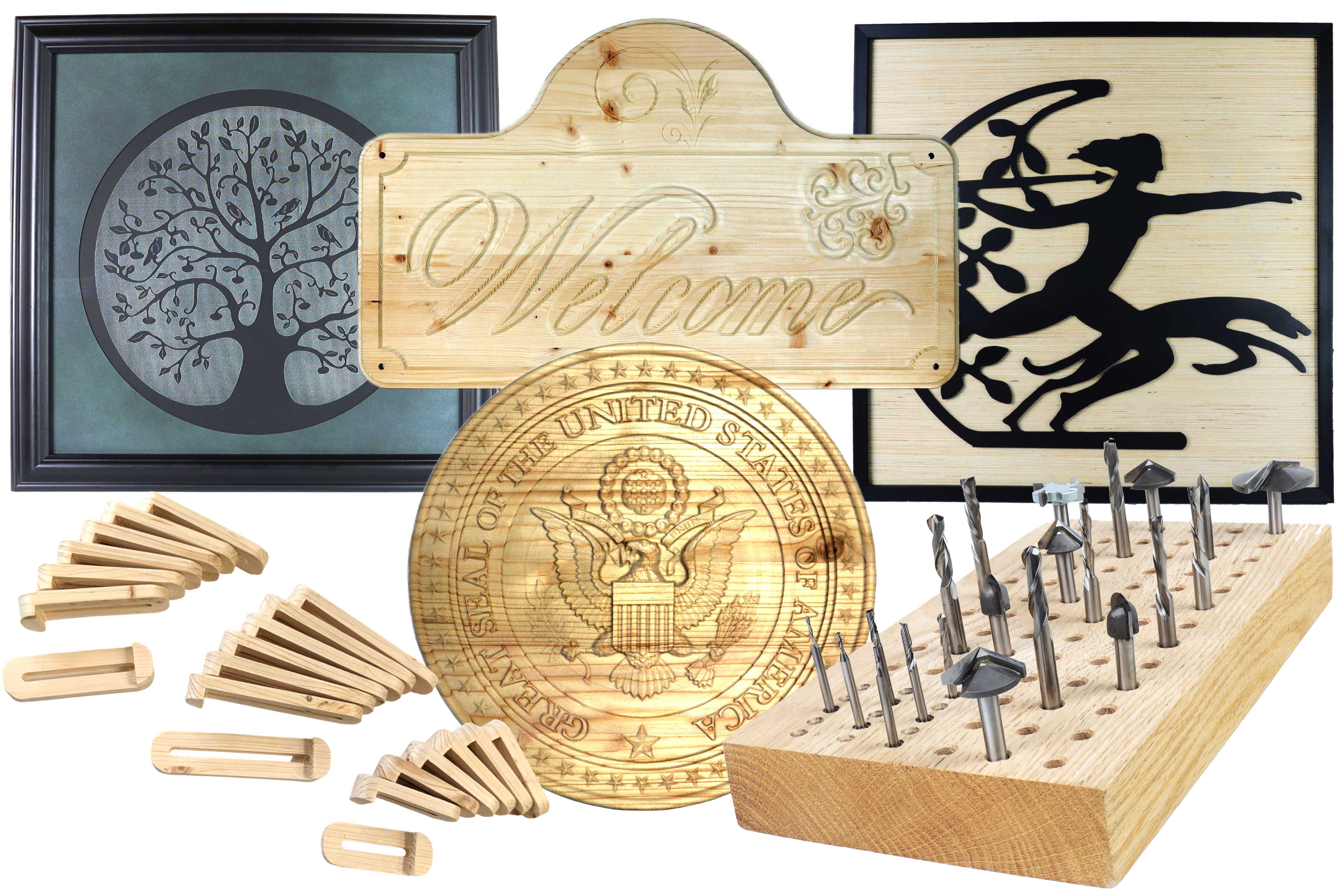
Any business owner should be aware of their Minimum Viable Offer (sometimes called a minimum viable product). The fastest way to get revenue moving is an MVO built on materials, toolpaths, and fixtures you already trust. That might be dimensional sign letters in PVC or HDU with a consistent paint spec. It might be branded charcuterie boards with v-carved logos and a mineral oil finish. It might be nested plywood organizers cut from sheets you stock in standard thicknesses. The key is to reduce variables. Standardize materials and thicknesses. Lock your workholding for those materials. Create CAM templates with feeds, speeds, and ramp strategies that won’t surprise you.
Photograph three finished examples in good light with a clean background and add exact specs beneath each image: size, material, finish, price, and lead time. Buyers want to see proof you’ve already made the thing they’re buying, not a mood board of what you could make someday. Momentum comes from shipping.
And if your camera is usually covered in saw dust or mineral oil, make sure to clean it first. The more professional you make your customer-facing materials, like your photos and social media posts, the more professional they trust you will be as their favorite woodworker.