Free Shipping for CNC Bit orders over $160

Shop

Shop By Project

Shop By Type

Starter Sets

Starter Sets

Inlay

Inlay

3D Carving

3D Carving

Acrylic

Acrylic

Engraving

Engraving

Bowl And Tray

Bowl And Tray

Digital Files

Digital Files

Slotting

Slotting

Rounding

Rounding

V Grooving

V Grooving

Surfacing

Surfacing

Starter Sets

Starter Sets

Bit Bundles

Bit Bundles

Ball Nose

Ball Nose

Compression

Compression

Downcut

Downcut

Drills

Drills

Engraving

Engraving

Extended Cut

Extended Cut

Roughing

Roughing

Rounding

Rounding

Slotting

Slotting

Straight Cut

Straight Cut

Surfacing

Surfacing

Upcut

Upcut

V Grooving

V Grooving

Jenny Bits

Jenny Bits

Collets

Collets

Accessories

Accessories

CNC Machines

CNC Machines

Vacuum Tables

Vacuum Tables

Spindles

Spindles

Software

Software

Digital Files

Digital Files

Merch

Merch

Closeout

Closeout

CNC Resources

Database Downloads

About

Contact Us

Get A Gift Card

Shop

Shop By Project

Shop By Type

Starter Sets

Starter Sets

Inlay

Inlay

3D Carving

3D Carving

Acrylic

Acrylic

Engraving

Engraving

Bowl And Tray

Bowl And Tray

Digital Files

Digital Files

Slotting

Slotting

Rounding

Rounding

V Grooving

V Grooving

Surfacing

Surfacing

Starter Sets

Starter Sets

Bit Bundles

Bit Bundles

Ball Nose

Ball Nose

Compression

Compression

Downcut

Downcut

Drills

Drills

Engraving

Engraving

Extended Cut

Extended Cut

Roughing

Roughing

Rounding

Rounding

Slotting

Slotting

Straight Cut

Straight Cut

Surfacing

Surfacing

Upcut

Upcut

V Grooving

V Grooving

Jenny Bits

Jenny Bits

Collets

Collets

Accessories

Accessories

CNC Machines

CNC Machines

Vacuum Tables

Vacuum Tables

Spindles

Spindles

Software

Software

Digital Files

Digital Files

Merch

Merch

Closeout

Closeout

CNC Resources

Database Downloads

About

Contact Us

Get A Gift Card

Upcut vs. Downcut Router Bits: What's the Difference and When to Use Each


The Short Answer: An upcut router bit pulls wood chips up and out of the cut, which gives you better chip evacuation and a cleaner bottom edge. A downcut router bit pushes chips downward, leaving a cleaner top edge but packing more debris into the cut. The right choice depends on which face of the material needs the cleanest finish, how deep you are cutting, and how well your CNC router can clear chips.


The spiral direction on a router bit does more than change the appearance of the cut. It changes how the bit moves wood chips, how much head builds up during the cut, and which surface is more likely to show tear-out, meaning the wood fibers splinter or pull away from the surface instead of cutting cleanly. Once you understand how an upcut and downcut bit differ, you can choose a better tool for plywood, hardwood, MDF, thin materials, acrylic, and other common CNC woodworking projects.

What Makes an Upcut and Downcut Bit Different?

Alt image

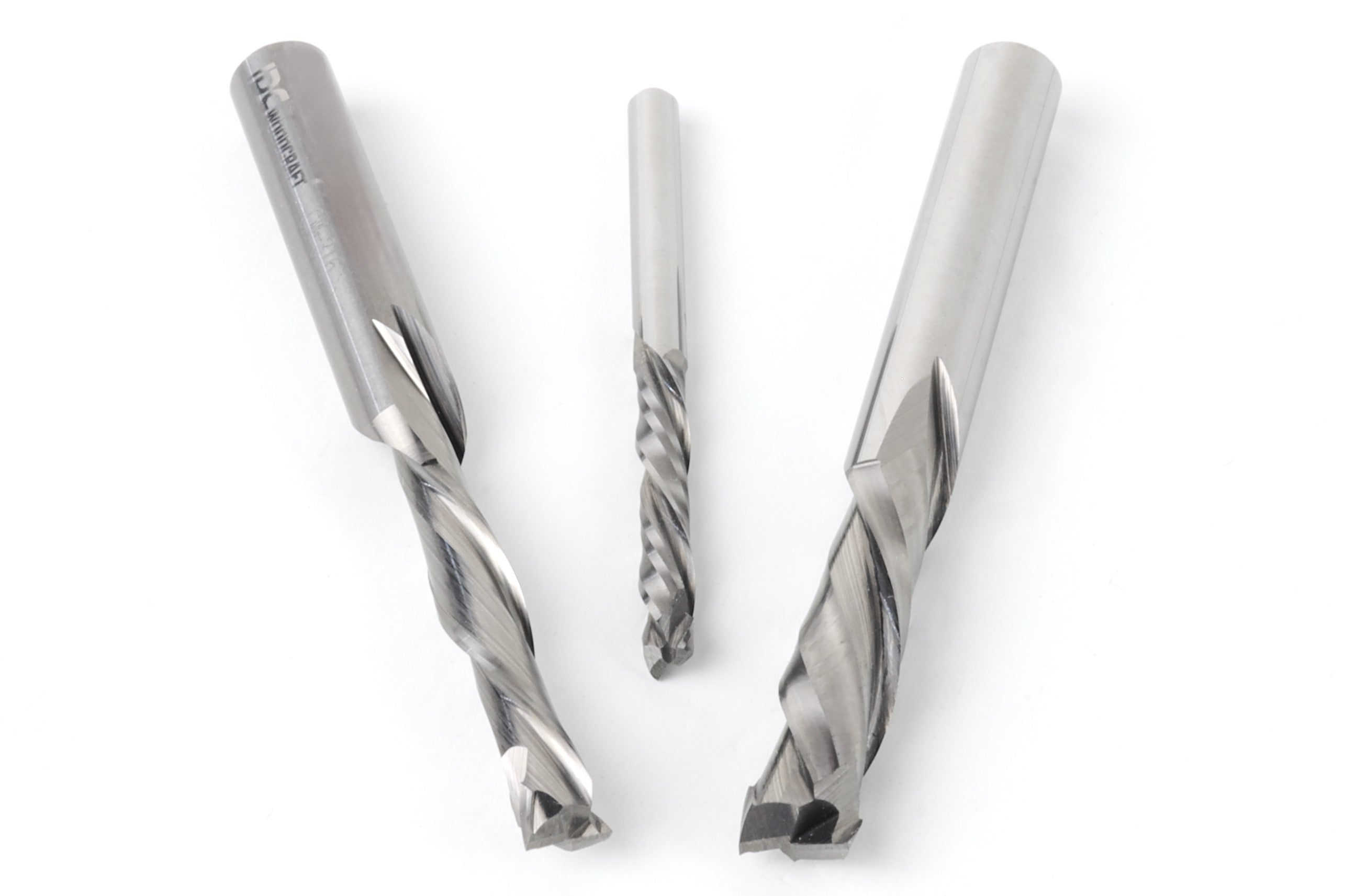
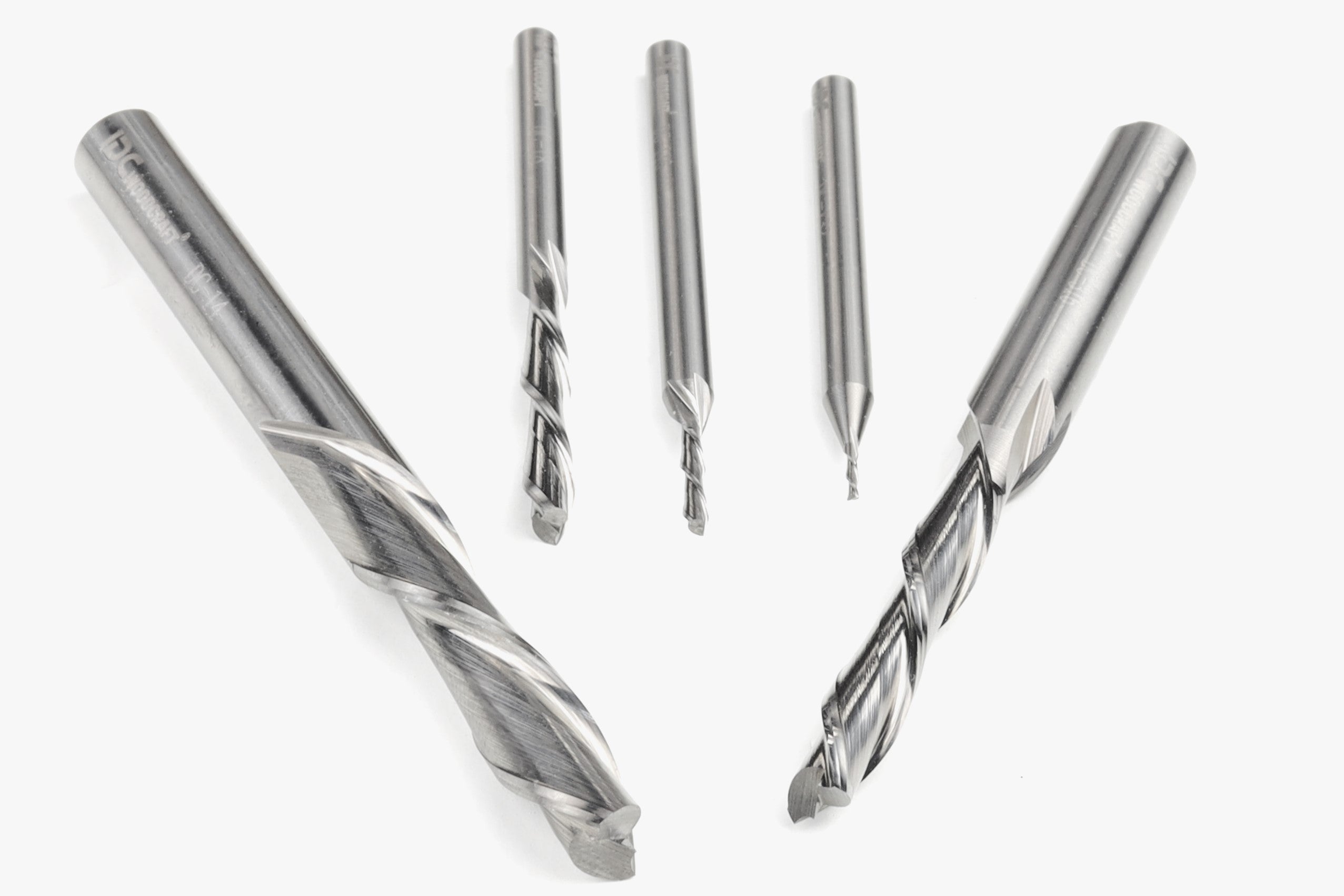
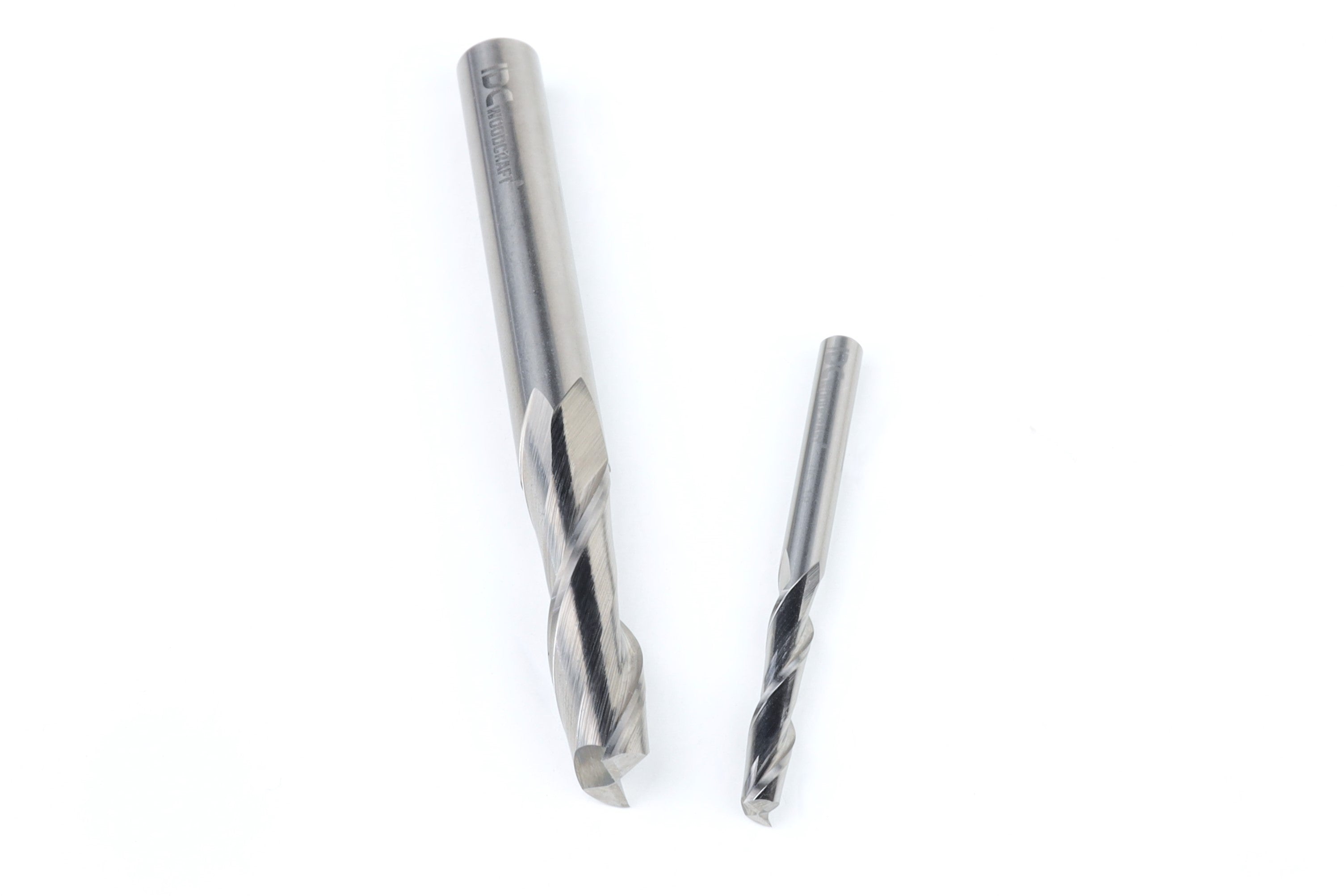
Upcut and downcut router bits are both spiral bits. Their cutting edges wrap around the tool in a spiral design instead of running straight up the side like a straight router bit. That spiral pulls chips in a specific direction as the router bit spins.

A straight bit can make clean slots, pockets, and profiles, but its straight cutting edges do not move chips as efficiently as a spiral router bit. Spiral bits clear chips more effectively, which can improve cut quality and help keep heat under control during longer cuts.

The difference comes down to the direction of the spiral:

Bit type Chip direction Cleanest edge Best use
Upcut bit Pulls chips upward Bottom edge Deep cuts, pockets, slots, and cuts that need strong chip removal
Downcut bit Pushes chips downward Top edge Shallow grooves, lettering, pockets, and work where the top surface must stay clean
Compression bit Pulls chips up at the bottom and pushes them down at the top Both edges Through-cuts in plywood, veneer, and composite material

How an Upcut Router Bit Works

CNC Router Bit Feeds & Speeds and Bit SetsIf you are new to CNC routers and drowning in jargon, we are here to keep it simple and help you start your journey off right. At its core, a CNC router does one thing: it moves a spinning bit through material along a path a computer gives it. Everything else exists to make that movement accurate and repeatable.

The trouble is that finding your first machine buries that simple idea under a pile of unfamiliar terms before you can even cut a single sign. This guide walks through what the parts actually do, what a CNC router can and cannot cut, how a project travels from idea to finished piece, and what to look at before you spend money on a machine.

CNC Router Bit Feeds & Speeds and Bit SetsIf you are new to CNC routers and drowning in jargon, we are here to keep it simple and help you start your journey off right. At its core, a CNC router does one thing: it moves a spinning bit through material along a path a computer gives it. Everything else exists to make that movement accurate and repeatable.

The trouble is that finding your first machine buries that simple idea under a pile of unfamiliar terms before you can even cut a single sign. This guide walks through what the parts actually do, what a CNC router can and cannot cut, how a project travels from idea to finished piece, and what to look at before you spend money on a machine.

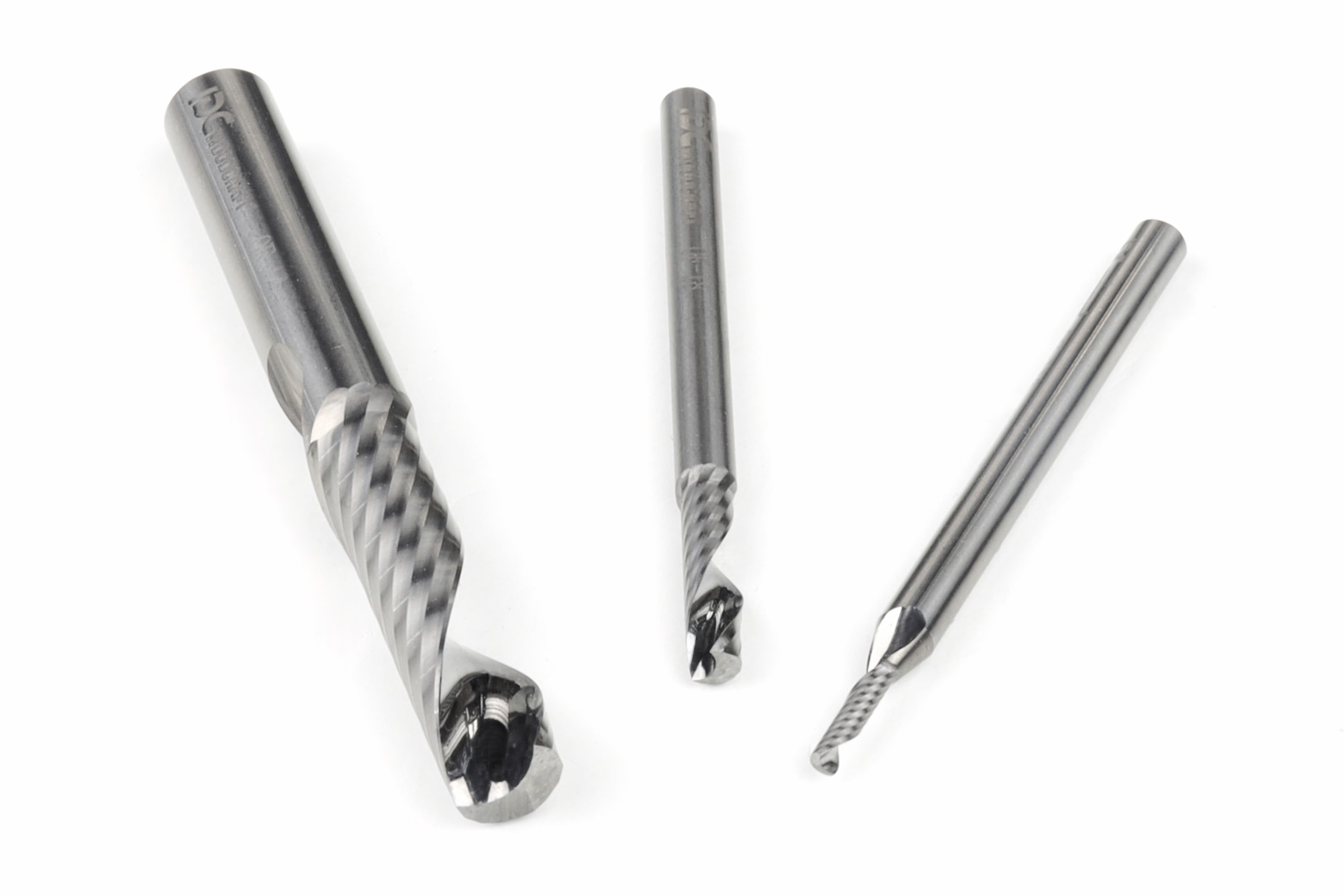
An upcut router bit has flutes that pull wood chips up and away from the bottom of the cut. This is usually the best choice when chip evacuation matters most.

As the upcut bit moves through wood, the spiral design acts like a screw, lifting chips out of the slot or pocket. Clearing chips keeps the cutting area cleaner, reduces the chance of recutting debris, and helps prevent heat buildup around the bit.

Use an upcut router bit when you need to:

  • Cut deep pockets or slots 
  • Make deeper plunge cuts 
  • Clear chips from narrow cuts 
  • Profile thick material 
  • Cut material where the bottom surface needs a clean edge 
  • Run longer toolpaths where chip removal can become a problem

One thing to keep in mind is that an upcut bit can sometimes leave a rougher edge on the top of the material. As the bit pulls chips upward and out of the cut, it can also pull up small wood fibers near the top surface. 

This may cause fuzzing or tear-out on plywood, veneered sheet goods, and some hardwoods. That does not mean an upcut bit makes a poor cut. It simply means it usually leaves the cleaner edge on the bottom of the material. 

Upcut Bit Use Case

Imagine you are cutting a profile through a piece of plywood for a tray bottom. If the clean bottom edge matters most, an upcut bit can be the right tool, because it clears chips well and helps keep the bit from overheating during the through-cut. 

How a Downcut Router Bit Works

A downcut router bit has flutes that push wood chips down into the cut. This downward pressure holds fibers against the workpiece, which often creates a cleaner top edge than an upcut spiral bit.

A downcut bit is a strong choice for shallow grooves, signs, inlays, pockets, and detail work where the visible top surface needs a clean edge.

Use a downcut spiral bit when you need to:

  • Keep a clean top edge on plywood or veneer
  • Carve lettering, signs, and shallow decorative details
  • Cut pockets where the top surface will remain visible
  • Work with thin materials that benefit from downward pressure
  • Reduce fuzzing along the top edge of a cut

One thing to keep in mind is that a downcut bit pushes chips down into the cut instead of lifting them out. During deeper cuts or narrow slots, those chips can build up around the bit if they are not cleared away.

When chips stay packed in the cut, the bit may create extra heat, leave a rougher edge, or wear out faster. To help prevent this, use a reasonable depth per pass, choose a feed rate that does not overload the bit, and make sure your dust collection or air blast is clearing chips as the CNC router cuts.
Downcut Bit Use Case


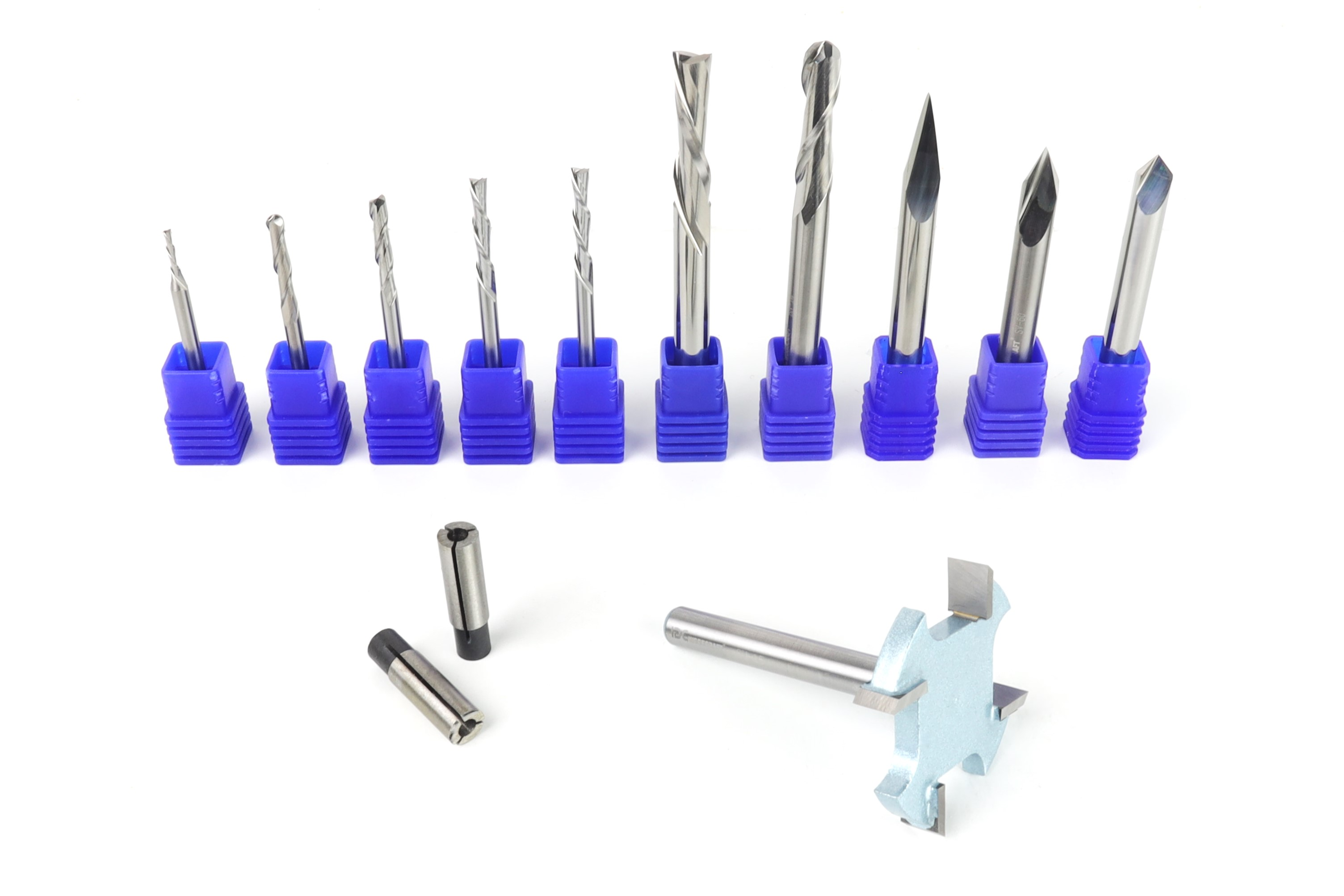
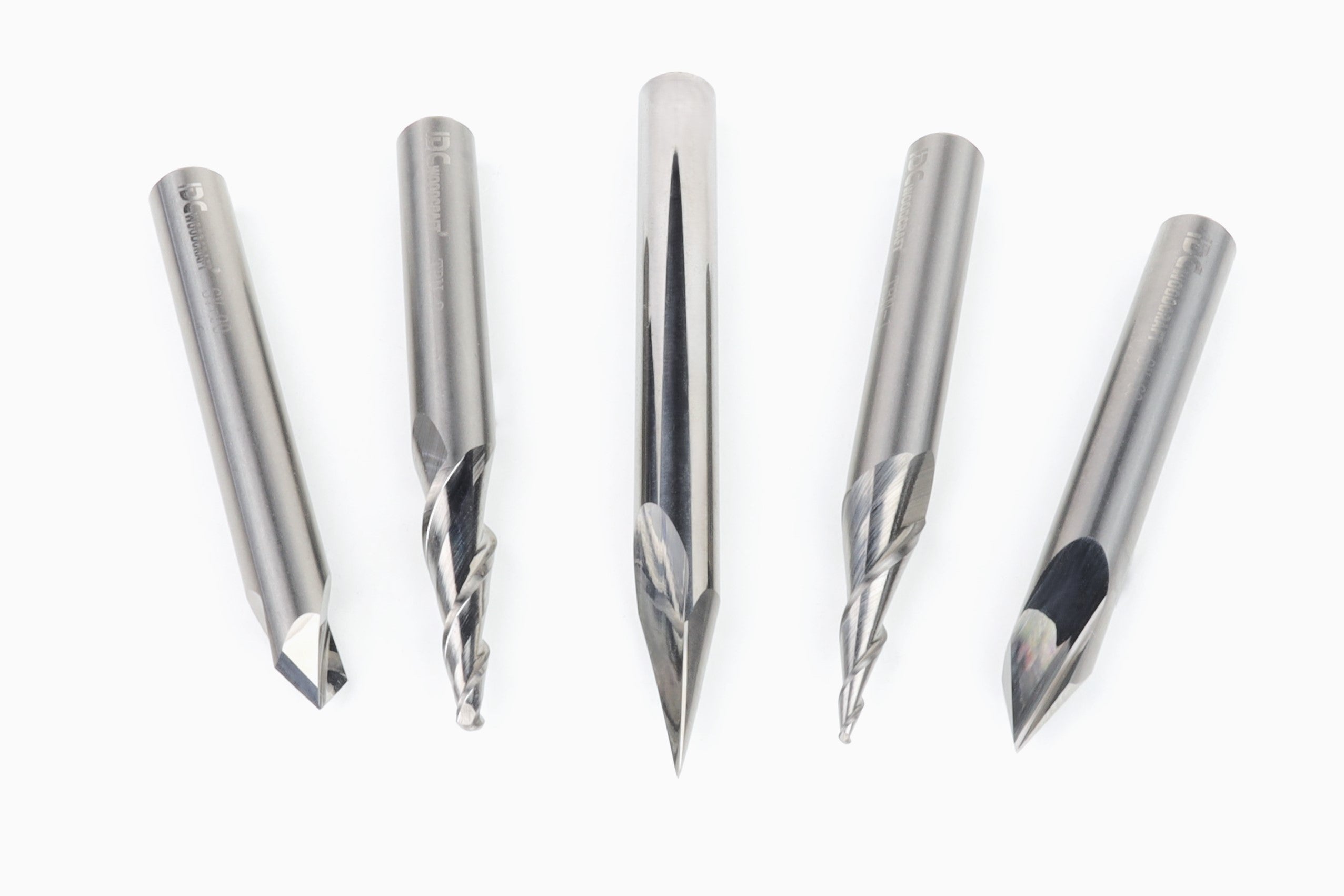
A downcut bit works well for a V-carved sign with a shallow pocket around the lettering. The bit holds the top surface fibers down, helping leave cleaner edges around the design.

It can also be a useful choice when making shallow grooves for a woodworking project, especially when the top face is the finished side. For a full explanation of this cutting action, see IDC Woodcraft's guide to down bits.


Upcut vs. Downcut Router Bit: Side-by-Side

Feature Upcut router bit Downcut router bit
Chip evacuation Pulls chips up and clears them from the cut Pushes chips down into the cut
Top surface Can leave a rougher top edge Usually gives a cleaner top edge
Bottom surface Usually gives a cleaner bottom edge Can leave more tear-out on the bottom edge
Deep cuts Better for clearing chips in deeper cuts Can pack chips in deep or narrow cuts
Shallow grooves Works, but may lift top fibers Often the better choice
Plunge cuts Better chip removal during plunging Use a slower plunge rate and manage chips
Best for Deep pockets, slots, profile cuts Signs, pockets, thin materials, clean top surfaces

A router table or handheld router can use spiral bits in some applications, but the principles remain the same. An upcut spiral bit moves chips upward. A downcut spiral pushes them downward. On a CNC router, the machine controls the path, feed rate, and cutting depth, which makes it easier to match the bit to the job.

When Should You Use a Compression Bit?

How a Compression Bit Works


A compression bit combines an upcut and downcut bit into one tool. The bottom part of the bit cuts like an upcut, pulling wood fibers upward. This helps keep the bottom edge of the material cleaner. The upper part cuts like a downcut, pressing wood fibers downward to help keep the top edge cleaner. 


Best Uses for Compression Bits

Compression bits are especially useful when cutting all the way through plywood, veneered panels, laminate, or other sheet goods where both sides of the material may be visible. Instead of choosing between a clean top edge or a clean bottom edge, a compression bit is designed to help protect both. 

Important Compression Bit Setup Tips

A compression cutter needs enough depth of cut for both cutting sections to engage. If you make a very shallow pass, only the lower upcut portion may contact the material, which can still leave a rough top edge. Make test cuts before using a compression bit on an expensive panel.


For shallow grooves, engraving, or small pockets, a downcut bit is often easier to control. For deeper profiles where both faces matter, the compression spiral can save cleanup time.

Choosing the Right Bit for Your Project

Start by looking at your project and deciding which side will be seen when you are finished. That visible side is the one you will want to keep as clean and smooth as possible.

When to Use an Upcut Bit


Choose an upcut bit when you need to cut deep pockets, slots, or other cuts where chips need to be pulled out quickly. It is also a good choice when the bottom edge of the material is the side you want to stay clean.


Upcut bits are helpful for thicker material and longer cuts because they move chips up and out of the cut. Just remember that they can leave a rougher edge on the top surface. 


When to Choose a Downcut Bit


Choose a downcut bit when the top surface is the side that will be visible in your finished project. It works especially well for shallow grooves, pockets, lettering, signs, and veneered materials.


A downcut bit pushes wood fibers down, which helps leave a cleaner top edge. Because it also pushes chips into the cut, use a reasonable depth per pass and make sure chips are being cleared before they build up.


When to Choose a Compression Bit


Choose a compression bit when you are cutting all the way through plywood, veneered material, laminate, or other sheet goods and want clean edges on both sides.


A compression bit combines upcut and downcut cutting directions in one tool. It needs to cut deep enough for both parts of the bit to work, so it is best for full-depth cuts rather than shallow grooves or pockets.


If you are new to CNC routing, IDC Woodcraft CNC router bit sets can be a practical way to try common bit types without purchasing every bit separately. 


IDC Pro Tip: Testing different spiral bits on scrap material helps you see which one produces the cleanest result for your material and project. 

Explore CNC Router Bits at IDC Woodcraft

The right bit can make a noticeable difference in cut quality, cleanup time, and how smoothly your CNC project runs. IDC Woodcraft offers USA-made solid-carbide CNC router bits for hobbyists and woodworkers working with plywood, hardwood, MDF, acrylic, and other common materials.


Browse IDC Woodcraft’s upcut, downcut, and compression router bits to find a cutter that fits your next project. If you are still building your bit collection, CNC router bit sets offer a practical starting point for covering common cuts.